A Complete Guide to Professional Plastering for Your Home
When it comes to creating a smooth, attractive and durable finish inside your home, quality plastering makes a significant difference. Whether you are renovating an older property, completing a house extension, converting a loft or simply refreshing tired walls and ceilings, professional plastering provides the foundation for a high-quality interior.
For homeowners looking for reliable
plastering Essex services, choosing an experienced building company can help ensure that every stage of the work is completed to a high standard. From preparing walls and repairing damaged surfaces to applying new plaster and creating the perfect finish for decoration, skilled plasterers can transform the appearance and condition of your property.
At
Builders Essex LTD, plastering can form an important part of wider building and renovation projects, helping homeowners achieve practical, attractive and long-lasting results.
Why Is Professional Plastering Important?
Plaster is more than simply a finishing material. It creates a protective and visually appealing surface that prepares walls and ceilings for painting, wallpapering and other decorative treatments.
Poor-quality plastering can quickly become noticeable. Uneven surfaces, cracks, ridges, visible trowel marks and inconsistent finishes can affect the final appearance of an entire room. In contrast, professionally applied plaster provides a smooth surface that can significantly improve the overall look of your interior.
Professional plastering can also help:
- Create smooth and even walls
- Repair damaged or deteriorated surfaces
- Prepare rooms for painting and decorating
- Improve the appearance of older properties
- Cover imperfections in existing walls
- Complete new extensions and renovations
- Provide durable interior finishes
- Create suitable surfaces for different decorative treatments
The quality of the plastering can therefore influence the quality of the finished room.
Plastering Services for Essex Properties
Homes throughout Essex vary considerably in age, design and construction. From traditional properties and period homes to modern developments and contemporary extensions, different buildings can require different plastering approaches.
A professional plastering service should begin with an assessment of the existing surfaces. This helps determine whether walls require preparation, repairs, removal of existing materials or a completely new plaster finish.
Typical plastering work may include:
Wall Plastering
Wall plastering can completely change the appearance of an interior. Existing walls that are uneven, damaged or outdated can be prepared and replastered to create a clean, smooth surface.
This can be particularly useful during home renovations when several rooms are being updated at the same time.
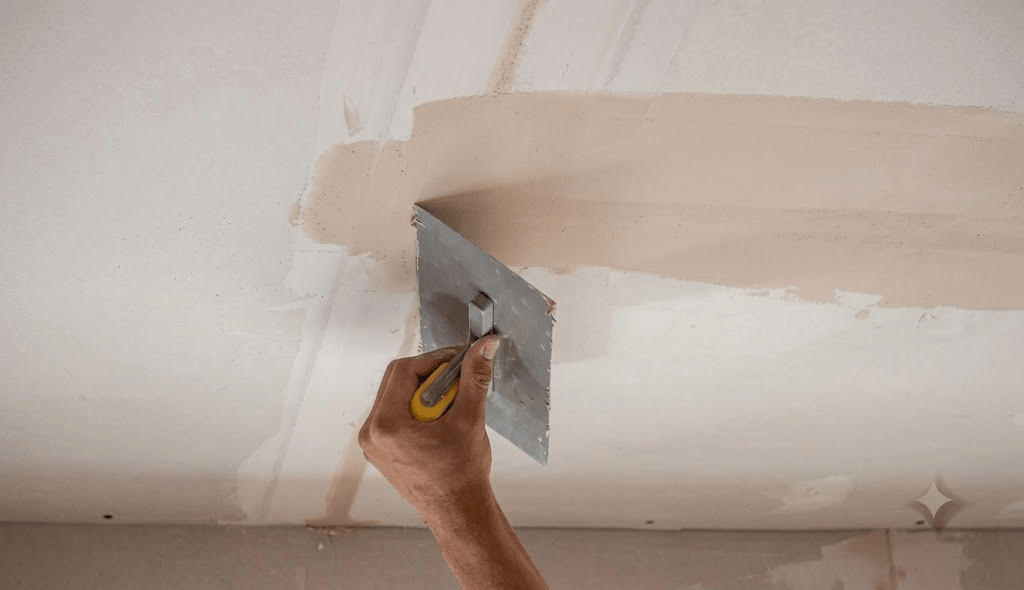
Ceiling Plastering
Ceilings can develop cracks, stains, uneven areas and other imperfections over time. Professional ceiling plastering can restore a tired ceiling and provide a consistent finish throughout the room.
Ceiling work often requires careful preparation because imperfections can become particularly visible under artificial or natural lighting.
Skimming
Skimming involves applying a thin finishing layer to an existing surface to create a smooth finish. It is commonly used when homeowners want to refresh walls without completely removing the underlying surface.
A properly applied skim coat can provide an excellent base for painting or wallpapering.
Plaster Repairs
Not every wall requires complete replastering. In some cases, targeted repairs may be sufficient.
Plaster repairs can address problems such as:
- Small cracks
- Holes
- Damaged corners
- Loose plaster
- Areas affected by previous electrical work
- Surface damage following renovations
- Localised deterioration
A professional assessment can help establish whether repair or replacement is the more appropriate option.
Plastering During Home Renovations
Plastering is often an essential part of a wider renovation project. When walls are opened up for electrical installations, plumbing, structural alterations or new doors and windows, the affected areas may need to be repaired and replastered.
During a whole-house renovation, plastering can help bring different rooms together by creating consistent wall and ceiling finishes.
It can also be used after:
- Removing internal walls
- Installing new lighting
- Moving electrical sockets
- Replacing plumbing
- Altering door openings
- Renovating kitchens
- Renovating bathrooms
- Completing loft conversions
- Building extensions
Coordinating plastering with other trades is important. Plastering generally needs to take place at the appropriate stage of a project so that surfaces are not damaged by subsequent construction work.
Plastering for Extensions and New Builds
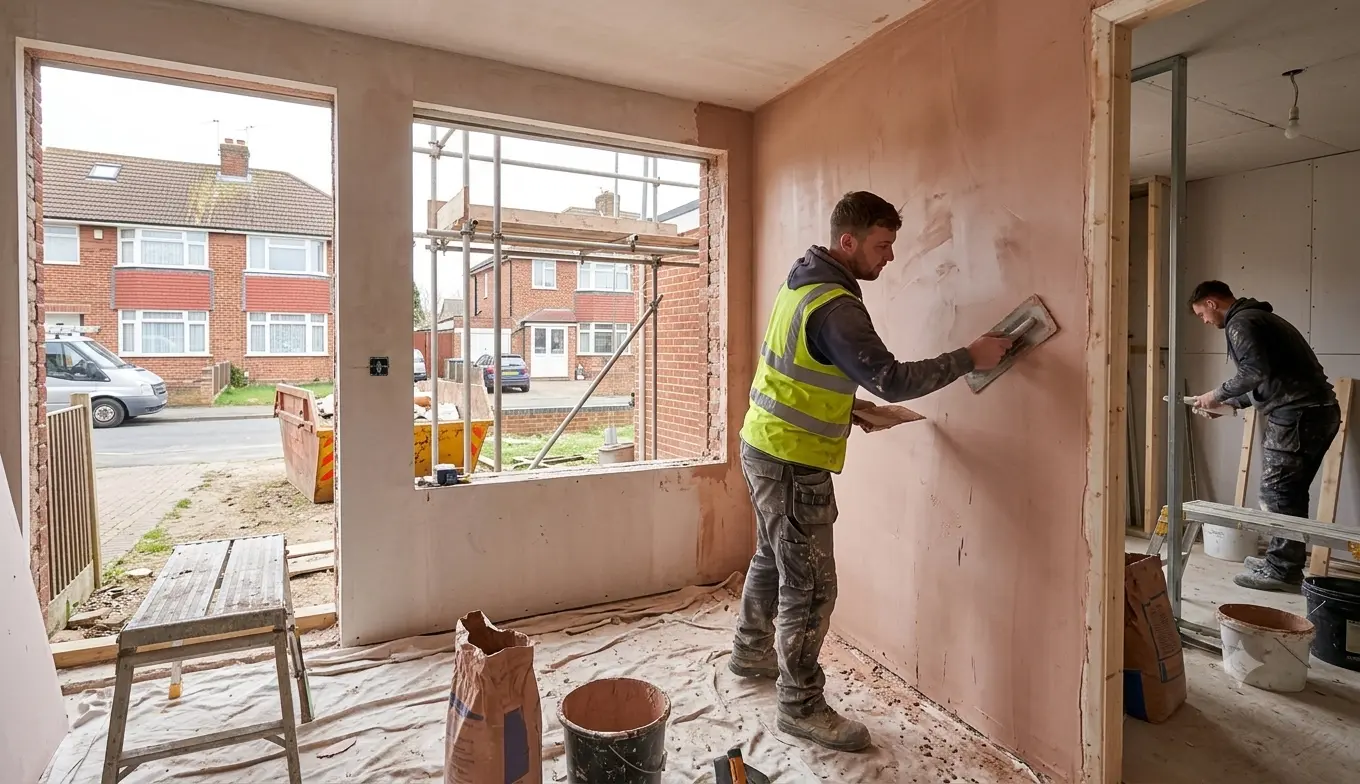
If you are extending your Essex property, plastering is one of the key finishing stages that helps turn a newly constructed space into a usable room.
A house extension may involve new walls, ceilings, insulation, electrical installations and plumbing. Once the necessary construction work has been completed, plastering provides the smooth internal surfaces required for decorating.
Whether the project involves a kitchen extension, rear extension, side return, new bedroom or larger living area, high-quality plastering can help ensure that the new space blends naturally with the existing property.
Good preparation is particularly important where new and existing walls meet. The transition should be carefully finished so that the completed room looks cohesive rather than like an obvious addition.
Choosing the Right Plastering Finish
Different projects can require different finishes. The appropriate approach depends on the condition of the surface, the type of property and the final appearance required.
A smooth finish is one of the most common choices for residential interiors because it provides an excellent base for paint.
However, plaster can also be used to create different textures and decorative effects where required.
Before work begins, homeowners should discuss the intended final finish with their contractor. This helps ensure that the plastering specification is appropriate for the decorating stage that follows.
Preparing Walls Before Plastering
Preparation is one of the most important stages of professional plastering.
Simply applying plaster over an unsuitable surface can lead to problems later. Walls may need to be cleaned, repaired, primed or otherwise prepared before plaster is applied.
Depending on the existing condition, preparation may involve:
- Inspecting the wall or ceiling
- Removing loose or damaged material
- Cleaning the surface
- Repairing significant defects
- Preparing areas where different materials meet
- Applying appropriate bonding or preparation materials
- Ensuring the surface is ready for plaster
- Applying the plaster in suitable layers
- Creating the required finish
- Allowing the plaster to dry before decorating
Taking the time to prepare the surface properly can make a considerable difference to the quality and longevity of the finished result.
Common Plastering Problems
Even relatively minor plastering problems can become obvious once the wall has been painted. Understanding some of the common issues can help homeowners recognise when professional assistance may be needed.
Cracks
Small cracks can sometimes occur as buildings naturally move or as materials dry. However, larger or recurring cracks should be investigated rather than simply covered.
Uneven Surfaces
Poor application or inadequate preparation can result in uneven walls. These imperfections may become particularly noticeable once paint is applied.
Bubbling or Blistering
Plaster can sometimes develop bubbling or blistering when the underlying surface has moisture or adhesion problems.
The underlying cause should be addressed before applying a new finish.
Flaking or Loose Plaster
Loose plaster can become unstable and may eventually fall away from the wall or ceiling. Damaged sections may need to be removed and repaired before new plaster is applied.
Visible Trowel Marks
A professional finish should be smooth and suitable for the intended decoration. Prominent trowel marks or ridges can affect the appearance of painted walls.
Plastering and Older Essex Properties
Many properties across Essex have distinctive architectural features and traditional construction methods. Older buildings may require additional consideration before plastering work begins.
Walls in older properties may contain existing materials that behave differently from modern construction materials. Previous repairs, layers of paint and historic alterations can also affect how a surface should be prepared.
For this reason, plastering an older property should not always be approached in exactly the same way as plastering a modern house.
An experienced contractor can assess the existing condition and recommend an appropriate solution while taking the character and construction of the property into consideration.
How Long Does Plastering Take?
The time required for plastering depends on several factors, including the size of the room, the number of surfaces being treated, the condition of the existing walls and the type of finish required.
A small repair may take considerably less time than replastering an entire property.
Larger projects can involve several stages, including preparation, application, finishing and drying. It is important not to rush the process simply to move on to painting.
Proper drying time is essential. Decorating too soon can potentially affect the finished appearance and performance of the plaster.
Your contractor should provide an estimated timeframe based on the specific requirements of your project.
What Happens After Plastering?
Once plastering has been completed, the surface needs time to dry thoroughly before decoration.
Fresh plaster can appear darker in some areas while it is drying. Once it has dried consistently, it can normally be prepared for painting or another decorative finish.
The next steps may include:
- Checking the surface
- Light preparation if required
- Applying an appropriate first coat
- Painting
- Wallpapering
- Installing fixtures and fittings
- Completing other decorative work
Good communication between the plasterer and decorator can help ensure a smooth transition between these stages.
How Much Does Plastering in Essex Cost?
The cost of plastering varies depending on the size and complexity of the project.
Factors that can influence the price include:
- Number of rooms
- Wall and ceiling area
- Existing surface condition
- Amount of preparation required
- Repair work
- Type of plastering required
- Accessibility
- Property layout
- Desired finish
- Whether the work forms part of a larger building project
For this reason, a reliable quotation should be based on the individual property rather than a generic price.
When comparing plastering quotations, homeowners should consider more than the initial price. The quality of preparation, materials, workmanship and finishing can all influence the long-term value of the work.
Why Choose Professional Plasterers?
Plastering may appear straightforward, but achieving a consistently smooth finish requires experience, technique and attention to detail.
Professional plasterers understand how materials should be mixed, applied and finished. They can also identify potential issues with existing surfaces before they become more significant problems.
Using an experienced team can provide several benefits:
Quality workmanship: Professional application can produce cleaner and more consistent results.
Better preparation: Proper preparation helps create a suitable surface for plaster.
Efficient project management: Experienced tradespeople can work alongside other contractors during renovations and building projects.
Long-lasting results: Correct application and preparation can help plaster remain in good condition for longer.
Professional finish: Smooth, well-finished walls provide an excellent foundation for decorating.
Plastering as Part of a Complete Building Project
For homeowners undertaking larger projects, arranging plastering alongside other building services can make project management easier.
A house extension, renovation or refurbishment may involve several trades, including builders, electricians, plumbers, plasterers, decorators and flooring specialists.
Coordinating these trades correctly helps prevent unnecessary delays and reduces the risk of newly completed work being damaged by another stage of construction.
Working with an experienced building company can provide a more coordinated approach, particularly when plastering is only one element of a larger project.
How to Find Reliable Plastering Services in Essex
When searching for
plastering Essex, homeowners should look for a contractor with relevant experience and a clear approach to project planning.
Before choosing a company, consider:
- Previous plastering experience
- Reviews and testimonials
- Examples of completed work
- Whether preparation is included
- The materials and methods being proposed
- Project timescales
- Whether the quotation is clearly explained
- Insurance and relevant professional credentials
- Communication throughout the project
It can also be useful to ask questions about the specific plastering solution recommended for your property.
A reputable contractor should be willing to explain the process and identify any preparation or repair work that may be necessary.
Frequently Asked Questions About Plastering Essex
Is plastering suitable for every type of property?
Plastering can be suitable for many different types of residential property, but the appropriate method can vary depending on the construction, age and condition of the building.
Can damaged plaster be repaired?
Yes. Localised damage can often be repaired without replastering the entire wall. The appropriate solution depends on the extent and cause of the damage.
How soon can walls be painted after plastering?
Fresh plaster needs sufficient time to dry before painting. Drying time varies according to conditions, thickness and ventilation, so it is important to follow professional advice.
Does plastering improve the appearance of a room?
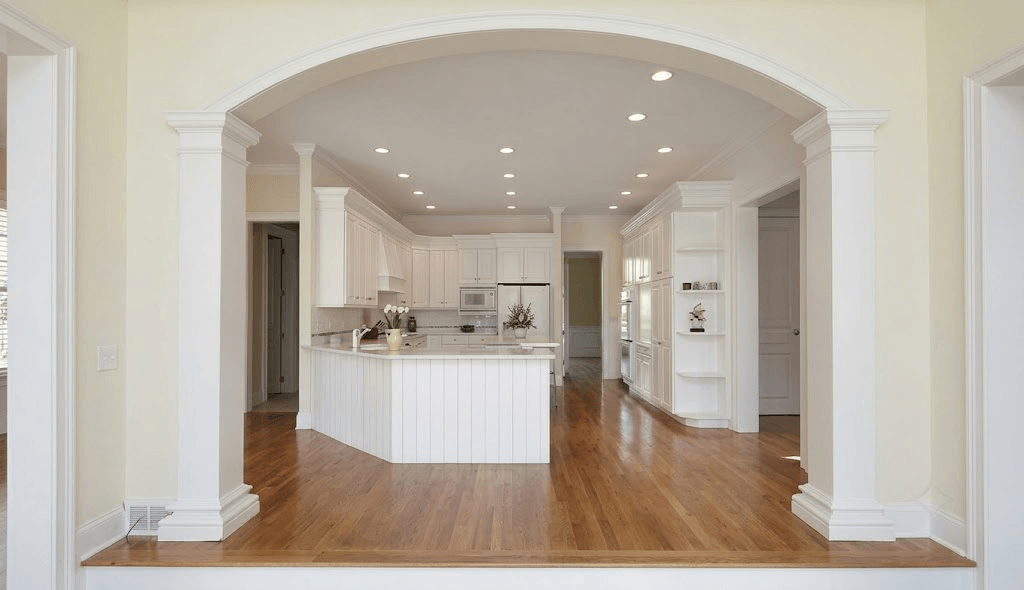
Yes. Smooth, professionally finished walls and ceilings can make a room look cleaner, brighter and more refined.
Can plastering be included with a renovation?
Absolutely. Plastering is frequently required as part of renovations, extensions, loft conversions and other building projects.
Why is preparation important?
Preparation helps ensure that plaster adheres correctly and produces a consistent finish. Poor preparation can contribute to cracking, bubbling, uneven surfaces and other problems.
Professional Plastering Essex for Quality Interior Finishes
From repairing damaged walls to completing a newly built extension, professional plastering can make a major difference to the appearance and functionality of a property.
For homeowners searching for
plastering Essex, choosing an experienced building contractor can provide confidence that the work will be properly planned, prepared and finished.
At
Builders Essex LTD, plastering can be incorporated into wider building, renovation and property improvement projects. Whether you are updating a single room or undertaking a more substantial transformation, the right plastering solution can provide a smooth and durable foundation for the final interior design.
If your walls or ceilings are showing signs of damage, you are planning a renovation or you need plastering as part of an extension or new building project, professional advice can help you determine the most suitable approach.
With careful preparation, skilled workmanship and attention to detail, quality plastering can help create the clean, polished interior finish that brings your Essex property project together.