

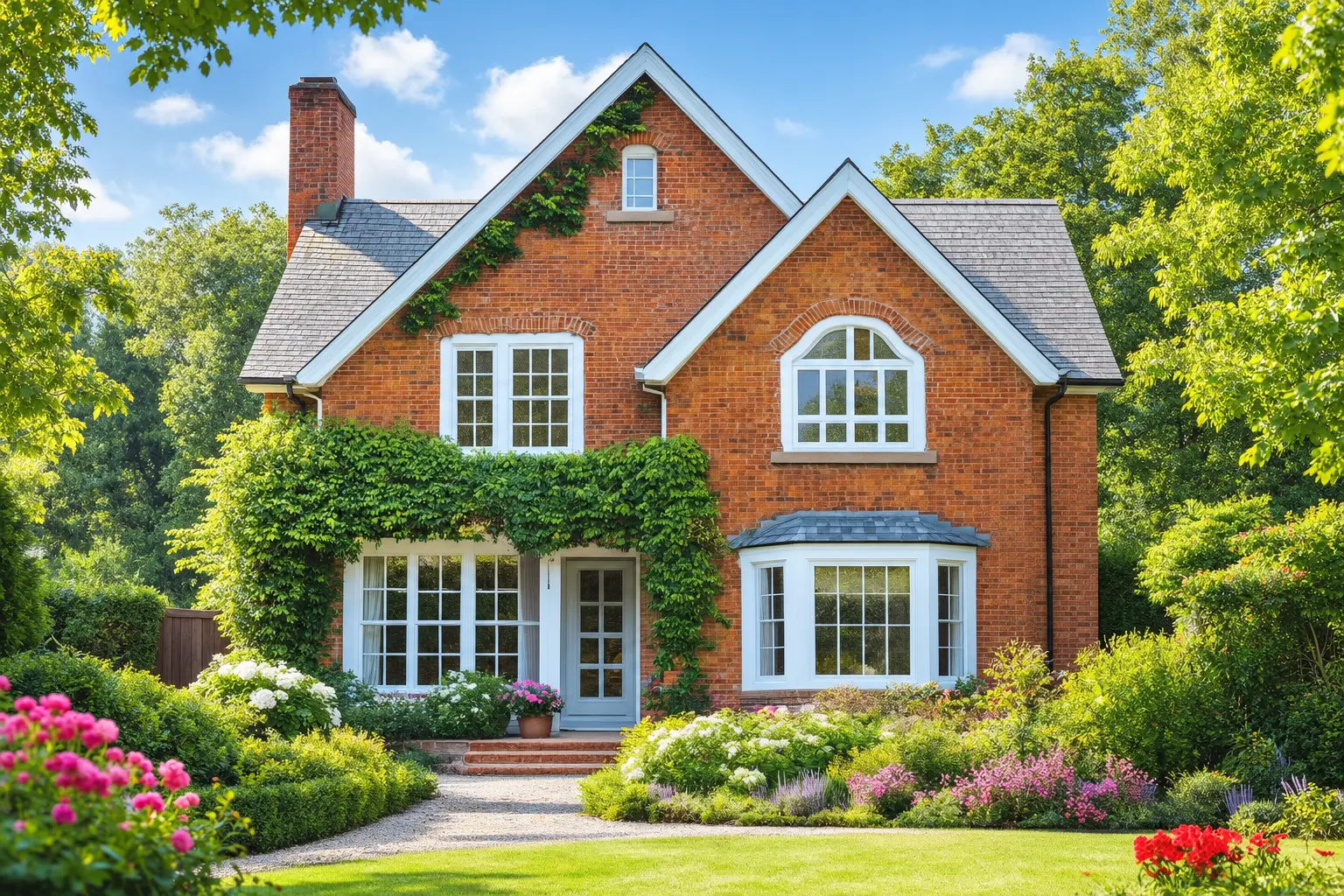

At Builders Essex Ltd, we excel in crafting high-quality, bespoke windows that perfectly marry traditional craftsmanship with contemporary design and performance.
- Email Us
- 07984 326 013
- Get A Quote
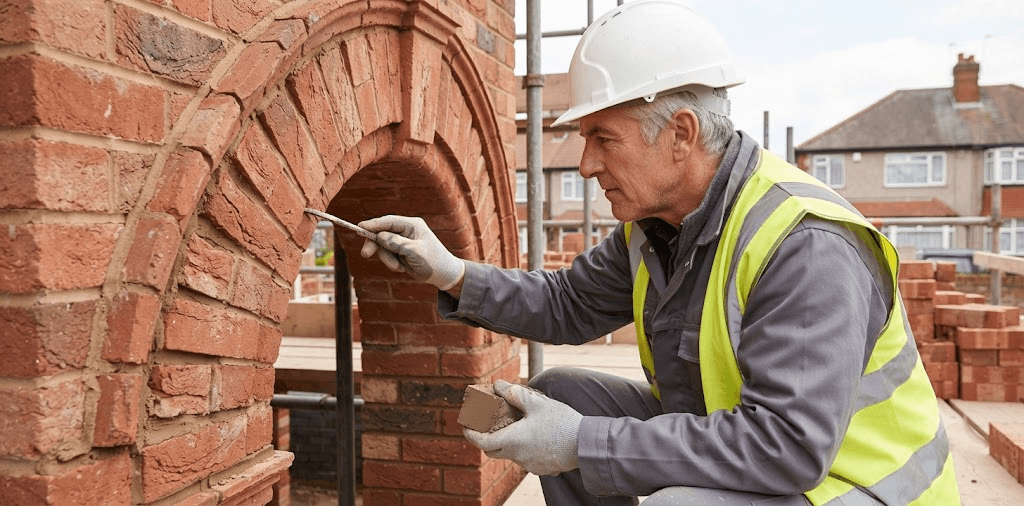
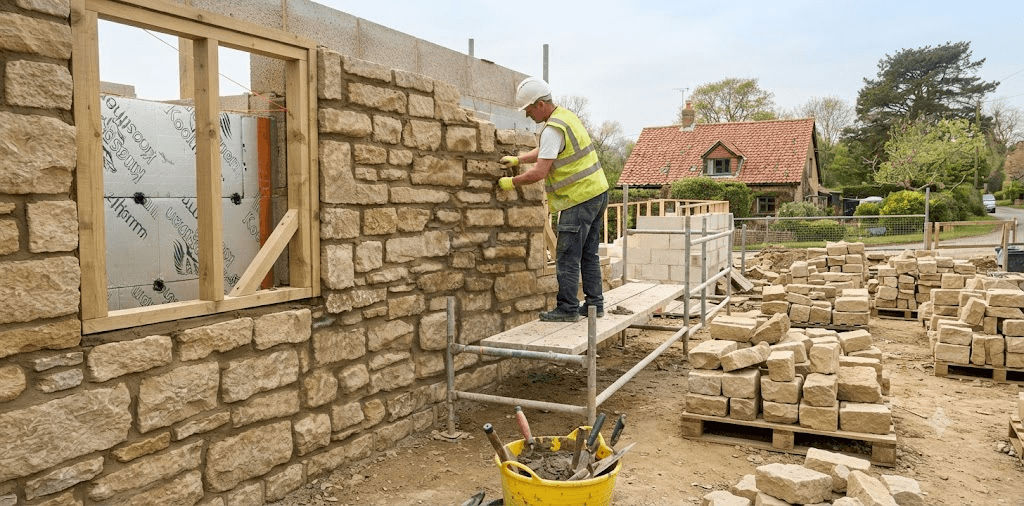
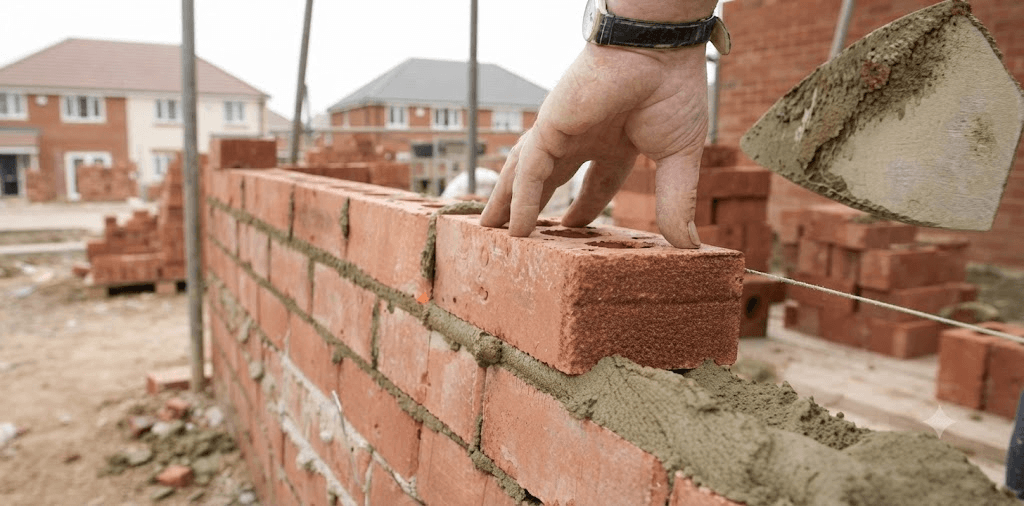
Masonry is one of the most important elements of a building. From supporting walls and creating attractive façades to protecting properties from the UK’s changing weather, high-quality brickwork and stonework contribute to both the appearance and long-term performance of a property.
For homeowners, landlords, developers and commercial property owners, finding reliable masonry Essex specialists can make a significant difference to the quality and durability of a construction or renovation project. Whether you are building a new wall, repairing damaged brickwork, restoring a period property or incorporating masonry into a larger extension, professional workmanship is essential.
At Builders Essex LTD, masonry work can be incorporated into a wide range of building and renovation projects, with solutions tailored to the property’s structure, style and requirements.
Masonry is a traditional construction method involving materials such as bricks, blocks and natural or manufactured stone. These materials are generally bonded together using mortar to create walls, structures, façades, boundaries and architectural features.
Although masonry has been used for centuries, modern masonry techniques combine traditional craftsmanship with contemporary construction standards. This makes it suitable for everything from new-build homes and extensions to repairs and restoration projects.
The right approach depends on the type of building, the existing materials, structural requirements and the desired appearance. Professional masonry work should therefore begin with an assessment of the property and a clear understanding of the project’s objectives.
A comprehensive masonry service can cover much more than simply laying bricks. Different properties require different approaches, particularly when dealing with older buildings or matching existing brickwork.
Typical masonry services may include:
Using one experienced building team for related work can help maintain consistency across the project, particularly when masonry forms part of an extension, renovation or wider property improvement.
Brickwork and stonework are not simply decorative features. Masonry can play an important role in the strength, weather resistance and overall condition of a building.
Poorly installed or neglected masonry can allow water to penetrate the structure. Damaged joints, cracked bricks and poorly executed repairs can also affect the appearance of a property and potentially lead to more extensive deterioration.
High-quality masonry provides several important benefits.
Depending on the construction method, masonry can contribute to the structural integrity of walls and other parts of a building. Correct materials, suitable mortar and accurate installation are therefore essential.
Walls are exposed to rain, wind, frost and temperature changes throughout the year. Properly constructed masonry and well-maintained joints can help protect the building from moisture penetration and weather-related deterioration.
Brick and stone are renowned for their longevity when correctly installed and maintained. Professional workmanship can help maximise the useful life of masonry and reduce the likelihood of premature repairs.
Masonry has a major visual impact. Clean, well-laid brickwork can enhance the appearance of a new extension, while sympathetic restoration can help retain the character of an older property.
New construction projects often require masonry that complements the existing property.
For an extension, the challenge is not only creating a structurally sound wall but also ensuring that the new brickwork looks appropriate alongside the original building.
Brick selection can involve several considerations, including:
A close match can help an extension appear integrated rather than looking like an addition that was constructed separately.
For new-build properties, homeowners and developers may have greater flexibility when choosing brick types and patterns. Masonry can become an important part of the property’s architectural design from the beginning.
Over time, masonry can experience damage caused by weather, age, movement, accidental impact or previous poor-quality repairs.
Some common signs that masonry may require attention include:
The appropriate repair depends on the cause and severity of the problem.
Replacing a small number of damaged bricks may be sufficient in some situations. More extensive deterioration could require rebuilding part of a wall or investigating an underlying structural issue.
A professional assessment is particularly important when cracks or movement appear significant.
Mortar joints are a crucial part of traditional brick and stone construction. Over time, they can deteriorate due to weather exposure, moisture and natural ageing.
Repointing involves removing defective mortar from joints and replacing it with suitable new mortar.
When carried out correctly, repointing can:
However, repointing is not simply a matter of filling gaps with new mortar. The existing masonry, joint profile and original construction method should be considered.
Using an inappropriate mortar can potentially cause problems, particularly with older properties constructed using softer bricks.
Essex contains a wide variety of properties, including traditional homes and older buildings where maintaining architectural character is important.
Masonry repairs to period properties often require a more sympathetic approach than work on modern construction.
The aim is generally to preserve as much of the original material as possible while addressing areas that have deteriorated.
Important considerations can include:
Careful brick matching can be particularly important. Replacing old bricks with modern products that look significantly different may create an obvious patchwork effect.
Brick matching is often one of the most challenging aspects of masonry repairs and extensions.
Even bricks that originally appeared identical may develop different colours over many years because of weather exposure, pollution and natural ageing.
Professional masonry work should therefore consider the existing building rather than relying solely on a standard new brick.
Where possible, matching can take into account the colour, texture, size and weathered appearance of the surrounding brickwork.
Mortar also matters. A new joint that is significantly different in colour or profile can make otherwise well-matched brickwork stand out.
While brick remains one of the most widely used masonry materials, stone can provide a distinctive and durable alternative.
Stone masonry can be used for:
Natural stone has considerable variation in colour, texture and pattern, which can give buildings a unique appearance.
When repairing existing stonework, material selection should be considered carefully to achieve a suitable visual and practical match.
Masonry is not limited to the main structure of a property.
Brick and stone walls can provide practical and attractive boundaries around gardens, driveways and outdoor spaces.
A well-designed garden wall can:
The wall’s height, foundation, materials and location should be considered before construction begins.
For properties where a new boundary wall connects to existing brickwork, matching the surrounding architecture can help create a cohesive appearance.
Chimneys are particularly exposed to the UK’s weather conditions. Their position above the roof means they can experience strong winds, rain and frost.
Deteriorating chimney masonry may result in:
Regular inspection can help identify problems before they become more serious.
Where masonry has deteriorated, repairs should be carried out carefully to maintain the stability and weather resistance of the chimney structure.
Masonry frequently forms part of larger building projects.
For example, a home extension may involve new external walls, openings for windows and doors, structural alterations and brick matching. A loft conversion may require changes to external masonry, while renovation projects may involve repairs to existing walls.
Coordinating masonry with the wider construction work can help ensure that different stages of the project work together effectively.
This is one reason why choosing an experienced building contractor can be beneficial for homeowners planning larger property improvements.
Selecting the right contractor is an important part of any masonry project.
Before hiring a company, consider the following:
Look for a contractor with relevant experience in the type of masonry work you require. Repairing an old brick wall is different from constructing masonry for a new extension.
Good masonry requires accuracy, attention to detail and appropriate techniques. Ask to see examples of previous projects where possible.
The contractor should understand the differences between brick, block and stone products and recommend materials appropriate for the project.
Clear communication from the beginning can help avoid misunderstandings regarding materials, timescales, design requirements and the scope of work.
If masonry is part of an extension, renovation or larger construction project, it can be useful to work with a contractor capable of coordinating different aspects of the build.
At Builders Essex LTD, masonry can form an important part of comprehensive building and property improvement services.
Every property is different, which is why masonry solutions should be considered in the context of the building as a whole. Whether you are planning new brickwork, repairing an existing wall, creating a boundary feature or incorporating masonry into an extension, careful planning and quality workmanship are essential.
The goal should be to deliver masonry that looks appropriate for the property while providing the durability and performance expected from a professional building project.
From initial planning through to completion, attention to detail can make a significant difference to the finished result.
Even high-quality masonry benefits from regular inspection and maintenance.
Homeowners should periodically check external walls for visible signs of deterioration. Pay particular attention to areas around windows, doors, rooflines, chimneys and wall junctions, as these can experience additional exposure to weather and movement.
Simple maintenance can help identify problems early.
Look out for:
Addressing minor issues before they develop into major defects can potentially save time and money.
Sustainability is increasingly important when planning construction and renovation projects.
Masonry materials can have a long service life, which can reduce the need for frequent replacement. Where suitable, existing bricks and stone can sometimes be retained or carefully reused rather than removed and discarded.
Responsible material selection should consider the property’s requirements, expected lifespan, appearance and overall construction strategy.
For renovation projects, retaining sound existing masonry can also help preserve the character and embodied value of the original building.
The cost of masonry work varies considerably depending on the nature of the project.
Factors that can influence the overall price include:
A small repair will naturally have different requirements from a complete extension or new-build project.
Rather than relying on a generic price, it is better to arrange an assessment and obtain a detailed quotation based on the property’s specific requirements.
Masonry work can include bricklaying, stonework, wall construction, repairs, repointing, restoration, boundary walls and masonry associated with extensions and other building projects.
In many cases, contractors can source bricks that closely match existing masonry. Colour, texture, dimensions, bond pattern and mortar should all be considered when matching brickwork.
There is no single inspection interval suitable for every property, but homeowners should regularly look at external walls for visible signs of deterioration and arrange professional assessment when concerns arise.
That depends on the condition of the masonry. If the bricks remain sound and only the mortar has deteriorated, repointing may be appropriate. Severely damaged or unstable masonry may require more extensive work.
Yes. Brick and stone are both commonly used for garden and boundary walls, offering durable and attractive solutions that can complement the surrounding property.
Absolutely. Masonry remains widely used in contemporary construction and can be combined with modern windows, doors, insulation systems and architectural designs.
Whether you are repairing ageing brickwork, constructing a new wall, renovating a period property or planning a larger extension, quality masonry can have a major impact on the appearance, durability and performance of your building.
Choosing experienced professionals ensures that the correct materials, techniques and construction methods are considered from the beginning.
If you are looking for masonry Essex services as part of a home improvement, renovation or construction project, Builders Essex LTD can help you plan the right approach for your property.
From brickwork and repointing to stonework, restoration and new construction, professional masonry provides a strong foundation for attractive and durable buildings. With careful planning and attention to detail, your masonry can complement the property while delivering long-lasting performance for years to come.
