



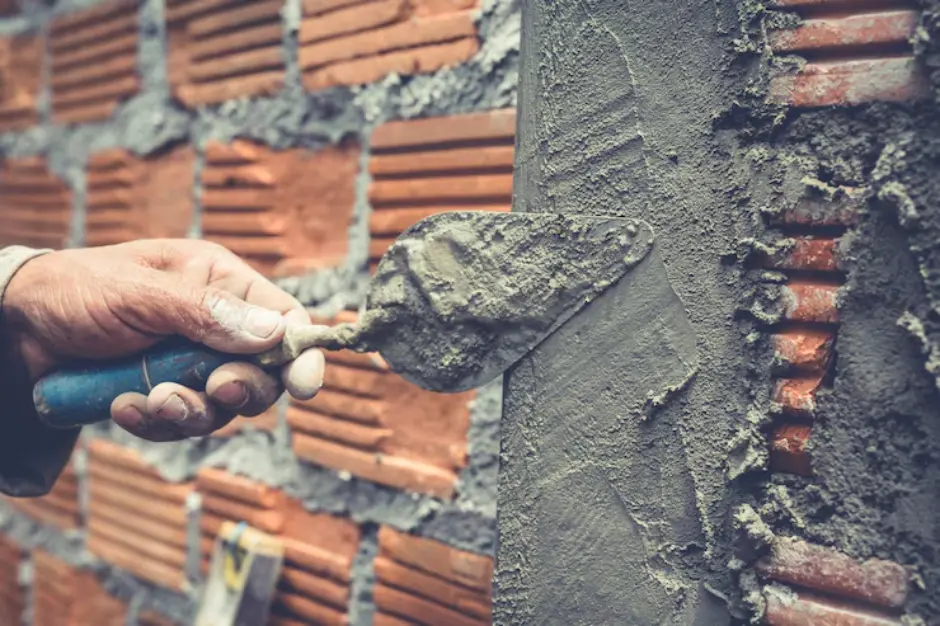
Whether you are renovating a single room, updating an entire house or undertaking a major extension, plastering is one of the most important stages of a successful home improvement project. While it may not receive as much attention as a new kitchen, bathroom or flooring, high-quality plastering provides the smooth, durable foundation that brings the rest of your renovation together.
Walls and ceilings can experience considerable disruption during a renovation. Electrical wiring may be replaced, plumbing can be moved, walls may be removed or altered and old finishes can be stripped away. All of this can leave surfaces uneven, cracked or damaged.
Professional plastering helps restore these surfaces and prepares them for painting, wallpapering or other decorative finishes. It can also improve the overall appearance of a room, helping new and existing areas blend together seamlessly.
If you are planning a renovation anywhere in the UK, understanding the different plastering options, preparation requirements and drying times can help you plan the project more effectively.
Why Is Plastering Important During a Home Renovation?
Plastering is much more than simply making walls look smooth. It creates a clean, even surface that provides the foundation for your final decorative finish.
During renovation work, walls and ceilings can be affected by structural alterations, electrical installations, plumbing, heating upgrades and the removal of old fixtures. Even relatively minor changes can leave holes, channels and damaged areas that need to be repaired.
Professional plastering can help to:
- Create smooth and even wall surfaces
- Cover imperfections and minor damage
- Prepare surfaces for painting or wallpaper
- Improve the overall appearance of renovated rooms
- Integrate new plasterboard with existing walls
- Repair areas affected by electrical or plumbing work
- Provide a consistent finish throughout a property
- Give decorating work a better-quality foundation
Poor plastering, on the other hand, can become increasingly obvious once paint or wallpaper has been applied. Uneven surfaces, ridges and imperfections can catch natural or artificial light and affect the appearance of the entire room.
For this reason, plastering should be considered an important part of the renovation rather than an afterthought.
When Does a Renovation Require Replastering?
Not every renovation requires an entire property to be replastered. In some situations, existing plaster can be retained and repaired or skimmed.
However, more extensive work may be necessary when existing surfaces are badly damaged or when the layout of the property has been changed.
Removing Internal Walls
Removing a partition wall can leave damaged sections around the ceiling, floor and adjoining walls. The exposed areas will need to be prepared and finished correctly so they blend with the surrounding surfaces.
If the renovation involves major changes to the layout, replastering can provide a more uniform finish across the newly configured rooms.
Rewiring and Plumbing
Electrical and plumbing work often involves cutting into walls to accommodate cables and pipework. Once these services have been installed, the resulting channels and openings need to be properly repaired.
Simply filling holes without properly preparing the surrounding surface can result in visible imperfections once the wall is painted.
Damaged or Loose Plaster
Older plaster may become loose, cracked or detached from the surface beneath it. Small areas of damage can sometimes be repaired, but widespread deterioration may mean that removing and replacing the affected plaster is more appropriate.
New Plasterboard
Extensions, loft conversions and newly created rooms commonly use plasterboard. Once installed, the boards can be finished with a suitable plaster system to create a smooth surface ready for decoration.
Skimming vs Full Plastering: Which Do You Need?
One of the most important decisions is determining which type of plastering is suitable for your walls.
The correct approach depends on the condition and construction of the existing surface.
Skimming
Skimming involves applying a thin finishing layer over an existing suitable surface. It is commonly used when walls are structurally sound but require a fresh, smooth finish.
It can be suitable for:
- Existing sound plaster
- Plasterboard
- Previously plastered walls
- Walls with minor surface imperfections
Skimming is often a practical option for homeowners who want to refresh tired walls without completely removing the existing plaster.
Basecoat and Finish Plastering
Where a wall is significantly uneven or requires more extensive preparation, a basecoat may be applied before the final finishing coat.
This creates a suitable foundation and allows larger imperfections to be corrected before the final smooth surface is created.
This approach can be particularly useful for masonry and uneven backgrounds.
Patching and Local Repairs
Small areas of damage may only require localised plaster repairs.
For example, removing an old radiator, relocating a socket or taking down shelving can leave small holes or damaged sections.
Although the affected area may be small, achieving a seamless repair can require considerable skill. The repaired section needs to blend with the surrounding wall so that it does not remain visible after decorating.
Should You Replaster the Entire Room?
There is no universal answer.
If most of the existing plaster is sound and only a few areas have been disturbed, repairing or skimming may be sufficient.
However, if walls contain widespread cracking, loose plaster, numerous previous repairs or significant unevenness, full replastering may provide a better and more consistent result.
The final decorative finish should also be considered. A wall that looks reasonably acceptable before painting may reveal imperfections once it has been painted, particularly in rooms with strong natural light or modern minimalist interiors.
An experienced plasterer can assess the condition of the existing surfaces and recommend the most appropriate approach.
Plastering Period Properties
Renovating an older property can require additional consideration.
Traditional UK properties may have been constructed using different materials and techniques from modern homes. Victorian, Edwardian and other period properties can contain older plaster systems, solid masonry and previous repairs carried out using a variety of materials.
Before replastering an older property, it is important to understand the construction of the walls and the condition of the existing materials.
In some circumstances, using materials that are compatible with the existing construction can be important for the long-term performance of the building.
Listed properties and buildings within conservation areas may also have additional requirements relating to alterations. Homeowners should establish whether any permissions or restrictions apply before starting significant renovation work.
When Should Plastering Take Place?
Getting the sequence right is essential.
Generally, plastering should be completed after major structural, electrical and plumbing work but before final decorating and many finishing installations.
A typical renovation sequence could include:
- Structural alterations
- Removal of old finishes and fixtures
- Plumbing work
- Electrical work
- Insulation and preparation
- Plasterboard installation
- Plastering and skimming
- Drying period
- Surface preparation
- Painting or wallpapering
- Final fixtures and finishing
Every renovation is different, so the exact order may vary.
For example, plastering may need to be coordinated with replacement windows, new doors, heating systems, kitchen installations or built-in furniture.
Good communication between trades can help prevent newly plastered surfaces from being damaged later.
How Long Does Plaster Take to Dry?
Drying time is one of the most important considerations when planning plastering work.
Fresh plaster contains moisture that needs to evaporate before the surface is ready for decoration. Drying times vary depending on factors such as:
- Room temperature
- Humidity
- Ventilation
- Thickness of the plaster
- Size of the room
- Type of plaster used
- Time of year
- Moisture levels within the property
Fresh plaster generally becomes lighter in colour as it dries. However, homeowners should not rely solely on appearance and should follow the advice of their plasterer and the relevant product manufacturer before decorating.
UK weather conditions can also affect drying. During colder and wetter months, plaster may take longer to dry naturally.
Adequate ventilation can help moisture escape, but attempting to force the drying process with excessive heat can be counterproductive.
Why You Shouldn’t Paint Fresh Plaster Too Quickly
It can be tempting to start decorating as soon as the plaster feels dry to the touch, particularly when you are trying to complete a renovation quickly.
However, painting before the plaster has dried sufficiently can result in problems such as:
- Peeling paint
- Bubbling
- Flaking
- Uneven colour
- Poor paint adhesion
- Visible patches
New plaster also requires appropriate preparation before the final decorative coats are applied. Depending on the paint system and manufacturer’s instructions, a suitable mist coat may be required on new plaster.
Allowing sufficient drying and preparation time can help produce a much better final result.
What Causes Cracks in Plaster?
Small hairline cracks can sometimes occur as materials dry or buildings experience minor movement. However, larger, recurring or rapidly developing cracks should not simply be covered with another layer of plaster.
Possible causes include:
- Movement between different materials
- Poor surface preparation
- Incorrect application
- Rapid drying
- Movement within the building
- Existing defects
- Poorly prepared joints
- Structural movement
Not every crack is a sign of a serious structural problem, but persistent or significant cracking should be investigated so that the underlying cause can be identified.
Preparing Walls Before Plastering
Preparation is one of the most important stages of plastering.
A high-quality finish depends on the condition of the surface underneath. Depending on the property, preparation may include:
- Removing loose plaster
- Cleaning dust and debris
- Repairing damaged surfaces
- Filling deep holes
- Preparing masonry
- Installing new plasterboard
- Treating unsuitable backgrounds
- Applying appropriate primers or bonding materials
- Preparing joints and edges
Skipping preparation can compromise adhesion and make it more difficult to achieve a consistent finish.
This is why professional plastering involves much more than simply applying plaster to a wall.
Don’t Forget About Ceilings
Homeowners often concentrate on walls when planning a renovation, but ceilings deserve equal attention.
Ceilings can develop cracks, water damage, uneven areas or deteriorating finishes. Renovation work can also leave holes around old light fittings or other services.
Depending on their condition, ceilings may require patch repairs, boarding, skimming or more extensive plastering.
Because ceiling imperfections can be highly visible under modern lighting, achieving a smooth and consistent finish is particularly important.
Plastering After an Extension or Loft Conversion
Extensions and loft conversions often introduce completely new walls and ceilings into an existing property.
The plastering stage helps create a visual connection between the new space and the original building.
Before plastering begins, all relevant concealed services should normally have been installed and checked. This can include electrical cables, plumbing, insulation and other necessary components.
Once the plaster has been applied and adequately dried, the room can progress to decorating and final installation.
Planning plastering alongside the wider building programme can help avoid unnecessary delays.
How Plastering Affects the Final Interior
The quality of the plaster finish can have a noticeable impact on the finished appearance of your home.
Smooth, consistent walls provide an excellent background for:
- Paint
- Wallpaper
- Feature walls
- Panelling
- Decorative finishes
- Built-in furniture
- Modern minimalist interiors
Poorly finished walls can create shadows, ridges and visible imperfections that remain noticeable even after several coats of paint.
For homeowners investing significantly in kitchens, flooring, lighting and furniture, it makes sense to ensure the walls and ceilings provide an equally high-quality foundation.
Choosing the Right Plastering Professional
Choosing an experienced professional can make a significant difference to the quality and durability of the finished work.
When comparing plasterers or building contractors, consider the following:
Experience
Look for experience with the type of renovation you are planning. A contractor working on a single-room refurbishment may have different expertise from one regularly undertaking whole-house renovations, extensions or period properties.
Previous Projects
Ask to see examples of previous work where possible. This can help you understand the standard of finish you can expect.
Detailed Quotations
A clear quotation should explain what is included, including preparation, repairs, plasterboard, materials and finishing.
Reviews and Recommendations
Customer reviews and recommendations can provide useful insight into workmanship, reliability and communication.
Preparation Methods
Ask how the existing surfaces will be prepared. Proper preparation is a major part of achieving a professional plaster finish.
How Much Does Plastering Cost in the UK?
Plastering costs vary considerably depending on the property and the scope of the work.
Factors that can influence the price include:
- Size of the area
- Number of rooms
- Condition of existing plaster
- Amount of preparation required
- Whether plasterboard is needed
- Type of plastering system
- Ceiling height
- Accessibility
- Property location
- Complexity of the renovation
- Amount of repair work required
Skimming an existing sound wall will generally involve less work than removing damaged plaster, repairing the background and installing new plasterboard.
Rather than relying on a generic price per square metre, homeowners should obtain a detailed quotation based on the actual requirements of their property.
Common Plastering Mistakes to Avoid
A renovation can become more expensive if plastering is rushed or poorly planned.
Some common mistakes include:
Rushing the Drying Process
Fresh plaster needs adequate time to dry before decorating.
Ignoring Surface Preparation
Even the best plaster cannot compensate for a poorly prepared background.
Choosing the Cheapest Quote
Price is important, but workmanship, preparation, materials and experience should also be considered.
Scheduling Plastering Too Early
Completing plastering before electrical, plumbing or structural work is finished can result in the new surface being damaged.
Covering Serious Cracks
Repeatedly filling significant cracks without investigating the underlying cause can allow a potentially important issue to remain unresolved.
Failing to Protect Fresh Plaster
Other trades should take care when working around newly plastered surfaces to avoid damage.
Planning Your Renovation Around Plastering
If plastering is included in your renovation, it should be considered when creating the project schedule.
Allow enough time for preparation, application and drying rather than trying to complete everything immediately.
It is also worth discussing your intended decorative finish with your contractor. For example, a homeowner planning a smooth contemporary interior may require a different level of surface preparation from someone intending to use textured wallpaper or decorative wall coverings.
Good planning can reduce delays and help ensure that each stage of the renovation is completed in the correct order.
Final Thoughts
Plastering is an essential part of many home renovation projects across the UK. Whether you are modernising a single room, renovating an older property, removing internal walls, completing an extension or transforming your entire home, quality plastering can make a significant difference to the finished result.
From choosing between patching, skimming and full replastering to allowing sufficient drying time, every stage needs to be considered carefully. Proper preparation and professional workmanship can help create smooth, durable surfaces that provide the perfect foundation for decorating.
At Builders Essex Ltd, we understand how important high-quality finishing work is to a successful renovation. Our approach is focused on delivering carefully planned building and renovation solutions, with attention to detail from the initial preparation through to the final finish.
If you are planning a home renovation and need professional building support, Builders Essex Ltd can help you create a finished space that is practical, attractive and built around your requirements.