


At Builders Essex Ltd, we excel in crafting high-quality, bespoke windows that perfectly marry traditional craftsmanship with contemporary design and performance.
- Email Us
- 07984 326 013
- Get A Quote
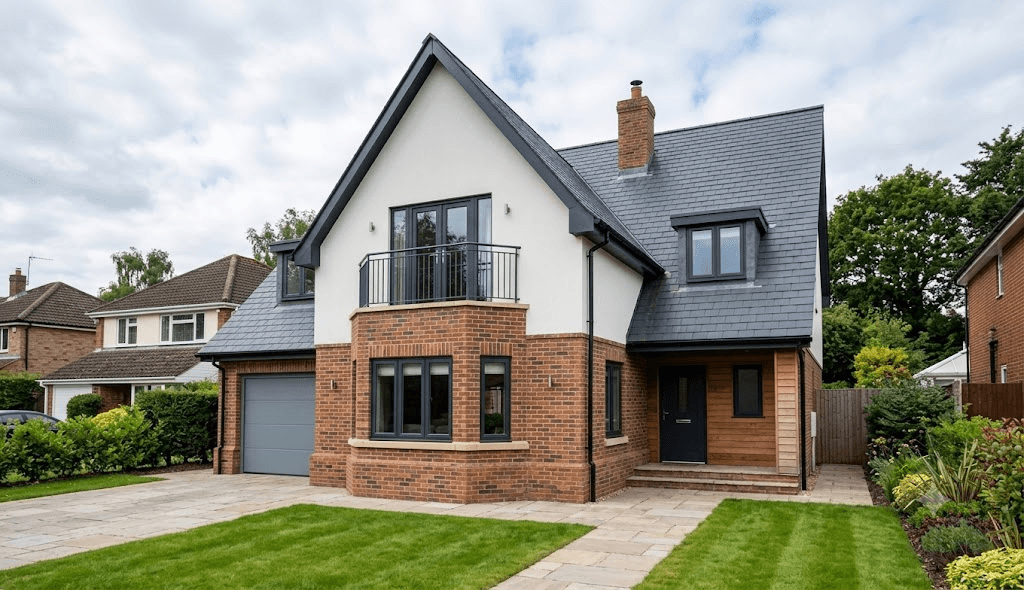
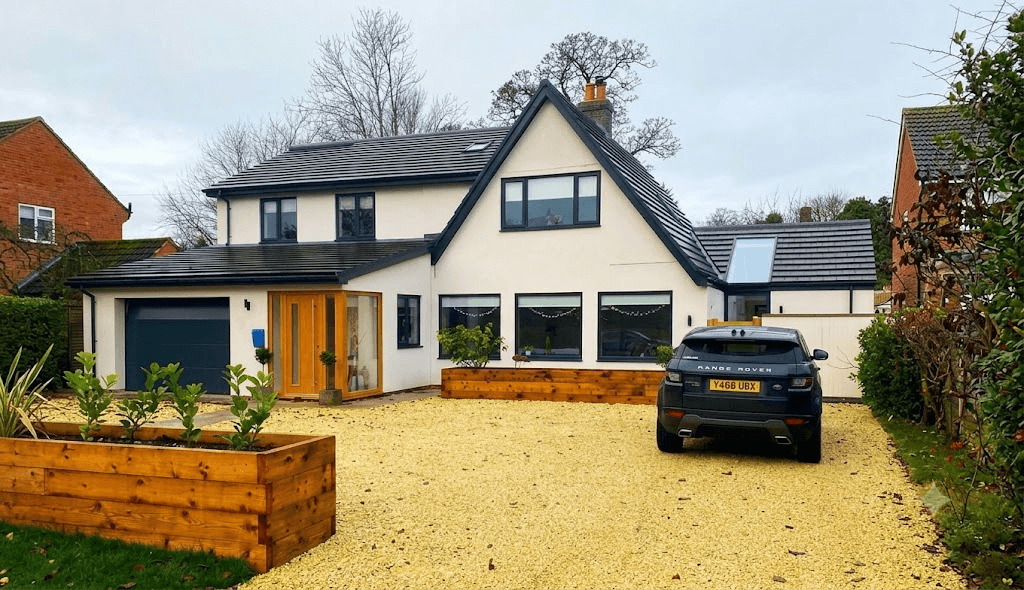

When it comes to improving the appearance, durability and weather resistance of a property, professional rendering can make a significant difference. For homeowners looking to refresh an older exterior, protect exposed walls or create a modern finish, rendering Essex is an increasingly popular home improvement solution.
The right rendering system can transform the outside of a property while helping protect the underlying masonry from rain, frost and general weathering. Whether you own a traditional house, modern property, extension or commercial building, choosing the appropriate render and having it professionally applied is essential for achieving a long-lasting result.
At Builders Essex LTD, we understand that every property has different requirements. From selecting suitable materials to preparing the walls and applying the finish correctly, quality workmanship plays an important role in the performance and appearance of rendered walls.
House rendering involves applying a protective and decorative coating to the external walls of a property. Depending on the system selected, render can be made from traditional cement-based materials, lime, acrylic, silicone, polymer-modified products or other specialist formulations.
Rendering can serve several purposes. It can improve the appearance of tired or uneven walls, provide additional protection against the elements and create a consistent external finish.
For properties across Essex, rendering can be particularly useful because external walls are exposed to changing weather conditions throughout the year. A professionally installed rendering system can help create a more resilient exterior while giving the property a fresh and contemporary appearance.
There are several reasons homeowners consider professional rendering.
One of the most immediate benefits is the visual transformation. Old brickwork can become stained, weathered or inconsistent over time. Rendering can create a clean, uniform appearance and give an older property a more modern character.
There are also numerous colours and textures available, allowing homeowners to choose a finish that complements the architecture of the property.
External walls are continually exposed to rain, wind, temperature changes and pollution. Render provides an additional protective layer over masonry.
A suitable render system can help reduce water penetration and protect the underlying wall structure from weather-related deterioration.
Rendering is often used when homeowners want to modernise the appearance of an older property without undertaking a complete external renovation.
A smooth, contemporary finish can dramatically change the character of a house, particularly when combined with new windows, doors, roofing or landscaping.
Properties that have undergone extensions or alterations can sometimes have mismatched external materials. Rendering can provide a more unified appearance across the original building and newer additions.
This makes rendering particularly useful for extensions, renovations and property improvement projects.
There is no single rendering solution suitable for every property. The ideal system depends on the existing walls, building type, desired appearance, exposure to weather and budget.
Cement-based render has traditionally been widely used on residential and commercial properties. It can provide a strong and relatively economical external finish.
However, cement render needs to be specified and installed correctly. Poor preparation or application can result in cracking, moisture issues or an unsatisfactory appearance.
Lime render is often considered for older or traditionally constructed buildings where the walls need to breathe.
Unlike some modern impermeable systems, lime-based materials can allow moisture vapour to move through the wall. This can make them particularly suitable for certain older properties.
However, the correct specification is important, especially when dealing with heritage or traditionally built structures.
Silicone render is a popular modern option because it can combine durability with a relatively low-maintenance finish.
Many silicone systems are designed to resist water while allowing water vapour to escape. They are available in a range of colours and textures, making them suitable for contemporary property renovations.
Acrylic render can provide a decorative finish and is available in various colours. It can also offer good flexibility compared with some traditional rendering materials.
It may be suitable for specific projects where appearance and flexibility are important considerations.
Polymer-modified products contain additives designed to improve certain performance characteristics, such as adhesion and flexibility.
These products can be useful for specific applications, but the correct system should always be selected based on the property’s existing construction and requirements.
One of the most important stages of any rendering project is preparation.
Even the highest-quality render may fail if it is applied to an unsuitable or poorly prepared surface. Before rendering begins, the existing walls should be assessed carefully.
Preparation may include:
Existing problems should not simply be covered with render. If there is structural movement, persistent dampness or damaged masonry, these issues should be investigated and addressed before the external finish is applied.
Although individual systems have different installation requirements, a typical project follows several stages.
The property is inspected to determine the condition and type of the existing walls. Factors such as exposure, substrate, cracks and previous coatings are considered.
The walls are cleaned and prepared. Damaged areas may need repair, while unsuitable existing coatings may need to be removed.
Depending on the rendering system, a primer, bonding coat, mesh or other preparation layer may be required.
The render is applied according to the manufacturer’s specifications. Depending on the system, this may involve one or multiple coats.
The surface is finished to create the desired texture and appearance. Smooth, textured and coloured finishes are among the available options.
The render needs suitable conditions to cure correctly. Once complete, the finished surface should be inspected for consistency, coverage and any visible defects.
External wall rendering can sometimes form part of a wider energy-efficiency improvement project.
External wall insulation systems can be installed beneath a suitable render finish, creating a combined insulation and weather-protection system.
For homeowners considering this approach, it is important to look at the property as a whole. Insulation thickness, ventilation, moisture movement, window detailing, roof junctions and drainage all need to be considered.
Simply adding a thicker render does not automatically improve thermal performance. If energy efficiency is a priority, the appropriate insulation system should be designed as part of the overall project.
Rendering can help reduce certain forms of rainwater penetration when the correct system is properly installed and maintained. However, rendering should not be viewed as a universal solution for damp.
Damp can have many causes, including leaking gutters, defective downpipes, plumbing problems, roof defects, ground moisture, condensation and damaged masonry.
If damp is already present, the cause should be identified before rendering takes place. Covering a moisture problem without addressing its source can potentially make future repairs more difficult.
Professional assessment is therefore particularly important when rendering properties that have existing damp or moisture-related problems.
Not every property requires rendering, but several signs may indicate that an external wall finish needs attention.
Look for:
Small defects should not necessarily be ignored. Cracks and loose areas can allow moisture to reach the substrate, potentially causing more significant deterioration over time.
Rendering is particularly useful for home extensions.
An extension may be constructed using different materials from the original building, making it difficult to achieve a completely consistent external appearance. A suitable render can help visually integrate the new and existing sections.
It can also be used during larger renovation projects where homeowners are upgrading windows, doors, roofing, insulation and other external features.
Planning these elements together can help create a more cohesive finished property.
The cost of rendering varies considerably from one property to another. There is no single price that applies to every rendering project.
Factors that can influence the cost include:
A straightforward property with good existing walls may require considerably less preparation than an older building with damaged render, cracks or difficult access.
The best approach is to arrange a property assessment and obtain a detailed quotation based on the actual requirements.
Choosing the right contractor is one of the most important decisions you will make.
Rendering may look straightforward, but the quality of the finished result depends heavily on preparation, product selection, application technique and curing conditions.
When comparing rendering contractors, consider:
Look for a contractor with experience working on different property types and rendering systems.
Ask to see examples of completed projects where possible. A good finish should look consistent, neat and properly detailed around windows, doors and other junctions.
The contractor should be able to explain why a particular rendering system is appropriate for your property rather than simply recommending one product for every project.
Find out what preparation work will be undertaken before rendering. Proper preparation is fundamental to long-term performance.
A clear quotation should explain what work is included, what materials are being used and whether additional preparation or repairs may affect the final cost.
Modern rendering systems can be relatively low maintenance, but no external finish should be completely neglected.
Regularly inspect rendered walls for:
Gutters and downpipes should also be maintained because overflowing rainwater can repeatedly saturate external walls.
Minor defects should ideally be investigated before they develop into larger problems.
For homeowners searching for rendering Essex, quality workmanship and appropriate materials are essential considerations.
At Builders Essex LTD, rendering can form part of a wider approach to property improvement and renovation. Every property has its own characteristics, which is why the rendering system and preparation requirements should be assessed on an individual basis.
Whether you are looking to modernise an older home, improve the appearance of an extension, repair deteriorating external finishes or create a completely new look, professional rendering can provide both aesthetic and practical benefits.
A well-planned rendering project can transform tired external walls and provide a durable finish designed to withstand everyday exposure to the British climate.
The lifespan of render depends on the material used, quality of installation, exposure to weather and ongoing maintenance. A professionally installed system using appropriate materials can provide many years of service.
In some situations, new render can be applied over an existing surface, but this depends on the condition and suitability of the existing coating. Loose, damaged or unsuitable material may need to be removed first.
It can be, but older properties require careful consideration. Traditional buildings may need breathable materials such as lime-based systems rather than modern impermeable coatings.
Yes. Rendering can dramatically change the external appearance of a building and create a cleaner, more contemporary finish.
Render can help protect walls from driving rain, but it does not resolve every type of damp. The underlying cause of moisture should always be identified before rendering.
The choice depends on personal preference, property style and the surrounding environment. Many modern rendering systems are available in a wide selection of colours.
Yes. Rendering can help blend a new extension with the existing property and create a consistent external finish.
Professional installation helps ensure that the correct materials, preparation methods and application techniques are used. This can improve both the appearance and long-term performance of the finished render.
External walls have a major influence on the appearance and protection of a property. When the existing finish has become tired, damaged or outdated, professional rendering can provide an effective way to give the building a new lease of life.
From traditional homes to modern properties and extensions, the right rendering system can improve kerb appeal while providing an additional layer of protection against the elements.
If you are considering rendering Essex for your home or property, choosing an experienced contractor and selecting the appropriate rendering system should be at the top of your priority list.
With careful preparation, suitable materials and professional application, a quality rendering project can deliver an attractive, durable and long-lasting exterior that complements your property for years to come.
